

About Us
Compassion, care, and connection for the best results.
Meet Our Founder, Lesley Curtis
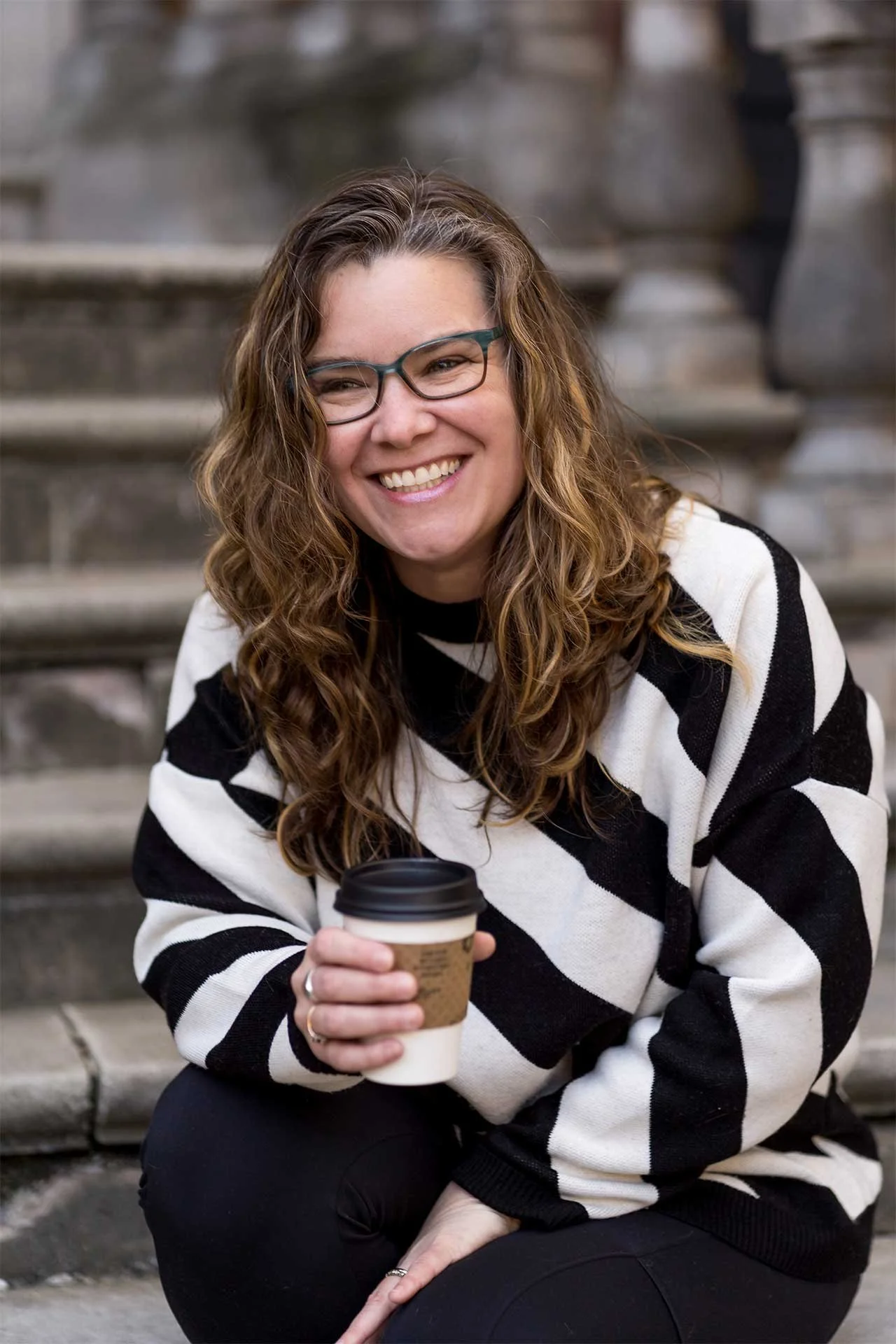
I am a dedicated advocate of human-centered systems. With a doctorate focused on the connection between social justice movements and narrative, I have spent my career exploring how individuals and communities make meaning during moments of change—and how they articulate their inherent value while forging new paths.
Today, I guide leaders and teams through complex transitions. I help clients move from uncertainty and inherited limitations toward clarity, resilience, and aligned action. My work sits at the intersection of systems-thinking and narrative strategy, grounded in the belief that sustainable change begins with how we understand our own story.
By helping clients identify the emotions, assumptions, and narratives shaping their responses to change, we uncover new possibilities for growth. Together, we design transitions that are not only strategic and effective, but also humane, integrative, and energizing.

Our Team
CO-OWNERS
-
Lesley is the founder of Sagely and a trusted thought partner to leaders navigating complexity, change, and impact. She holds a doctorate from Duke University, where her research explored how historical trauma shapes story, belief, and decision-making—insight that now informs her practical, results-oriented work with organizations.
What sets Lesley apart is her ability to bridge deep understanding with real-world action. By integrating tools from the humanities and social sciences, she helps leaders move beyond insight to create sustainable, human-centered change that actually sticks. Clients value her capacity to work at the level of both feeling and strategy, supporting growth that is meaningful, manageable, and durable over time.
Lesley works one-on-one with senior leaders and facilitates system-wide initiatives. She has taught leadership and innovation at the UNC Graduate School and served as a practicum instructor at the UNC School of Social Work.
With her team, Lesley also writes and podcasts at Diversity Differently, where they explore new ways of thinking about leadership, change, and organizational success.

-
Cord Whitaker is the co-owner of Sagely and a trusted thought partner to leaders navigating complex change and moments of organizational crisis. He partners with executives and leadership teams to lead meaningful, lasting culture transformation—especially when inherited assumptions, competing narratives, or high-stakes pressures threaten alignment and effectiveness.
A widely published scholar and public intellectual, Cord brings deep expertise in narrative, history, and systems to help organizations understand how inherited stories shape present-day beliefs, behaviors, power dynamics, and responses to disruption. His work equips leaders to respond to crisis not only tactically, but strategically—by reshaping the narratives and systems that drive long-term outcomes.
An associate professor of English at Wellesley College, his work has been featured by NPR, The New York Times, Slate, and the History Channel.
As a coach and consultant, Cord works across sectors to help leaders stabilize culture during disruption, align action with values under pressure, and build the internal capacity required for sustainable, adaptive change.
CONSULTANTS
-
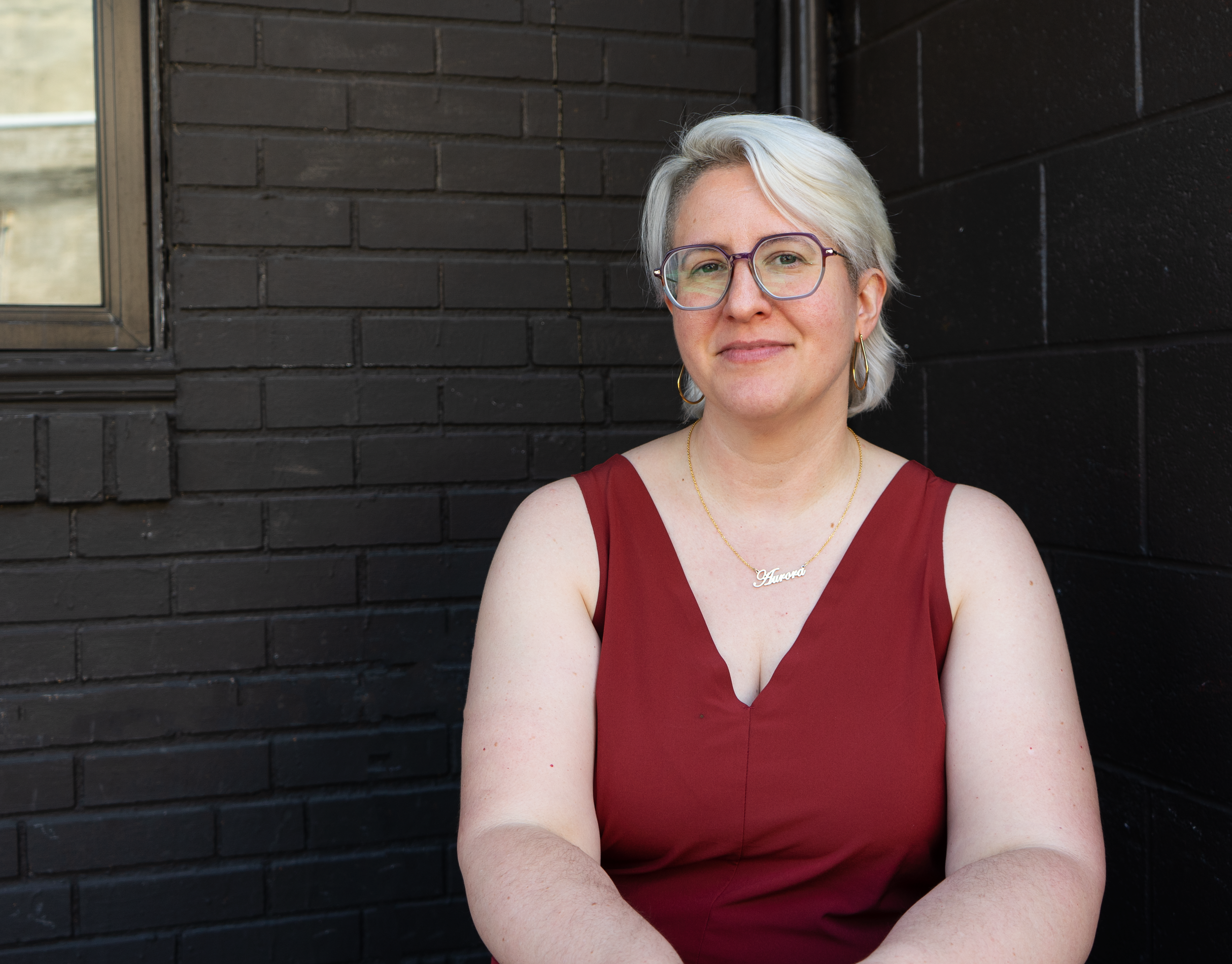
Robyn Smith is a licensed clinical social worker, facilitator, and therapist. They hold a B.A. in Film Studies from the University of Pittsburgh, and a Masters of Social Work from the University of Pennsylvania. Robyn also completed the three-year intensive training at the Gestalt Therapy Institute of Philadelphia.
Robyn focuses on somatic healing, grief, and attachment, specializing in guiding high-level leaders, intellectuals, and medical professionals to tap into their own experience in order to encourage more healing and collaboration.
With Sagely, Robyn offers meditative and somatic learning opportunities and provides clients the knowledge and skills that trauma therapists receive. This helps leaders act and respond in high-stress situations with clarity and ease, regardless of their area of expertise.
-
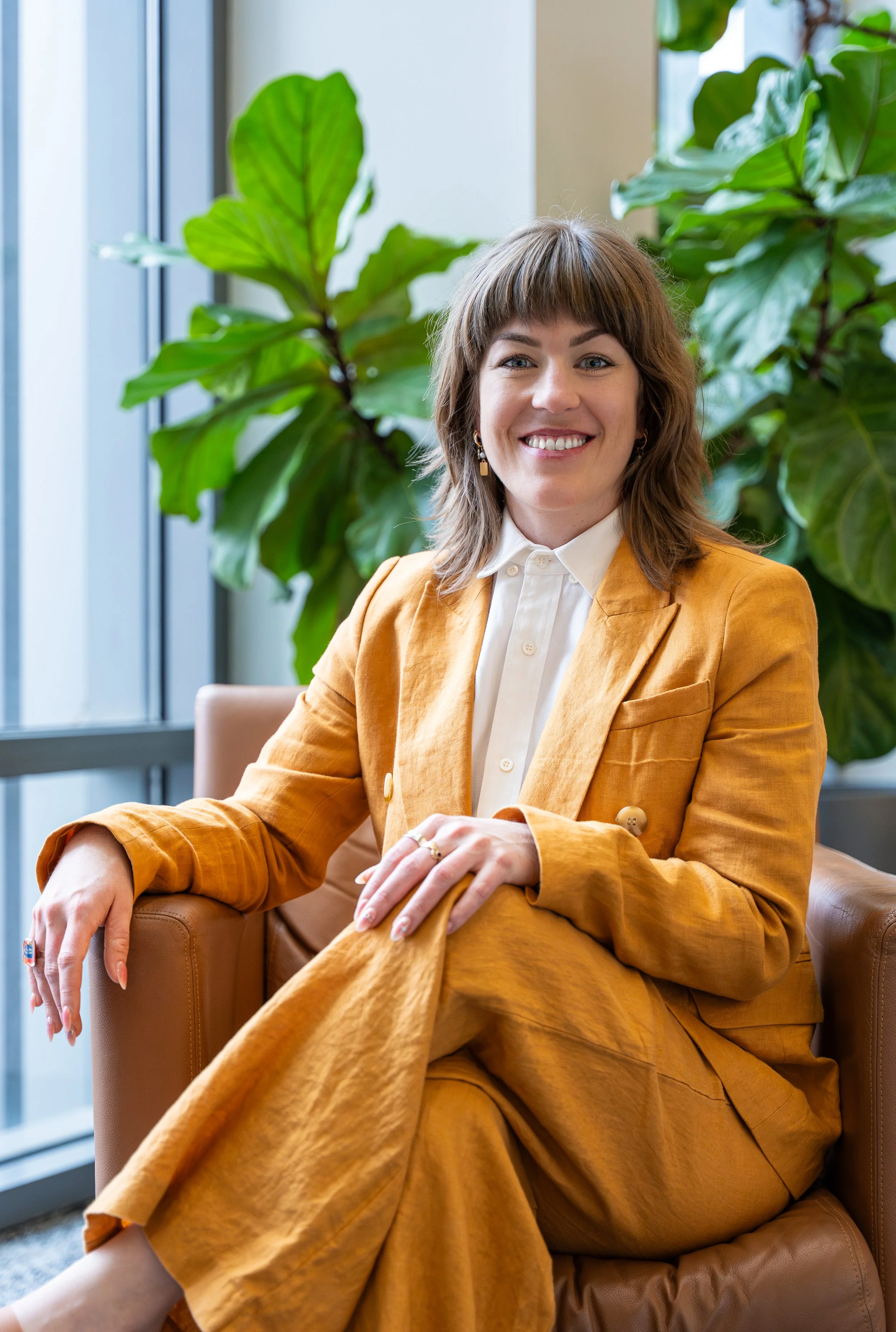
Alexandra is a social worker from Australia and Aotearoa (New Zealand). She has worked across the Pacific, Asia, the United Kingdom, and the United States, supporting communities affected by war, displacement, and violence. She excels at strengthening the capacity of practitioners who work alongside affected communities.
Alex’s approach is informed by critical and liberation psychologies, as well as a decade of experience in trauma healing, at the individual and collective levels. Currently, Alex serves as Visiting Lecturer in Conflict Transformation at the University of North Carolina. In her work with Sagely, Alex supports clients in transition by helping them identify moments when past experiences are shaping present-day responses, focusing on ways to meet those moments in generative ways. To learn about her approach to healing, transformation, and deeper connection, listen to her podcast interview here.
ADVISORS
-
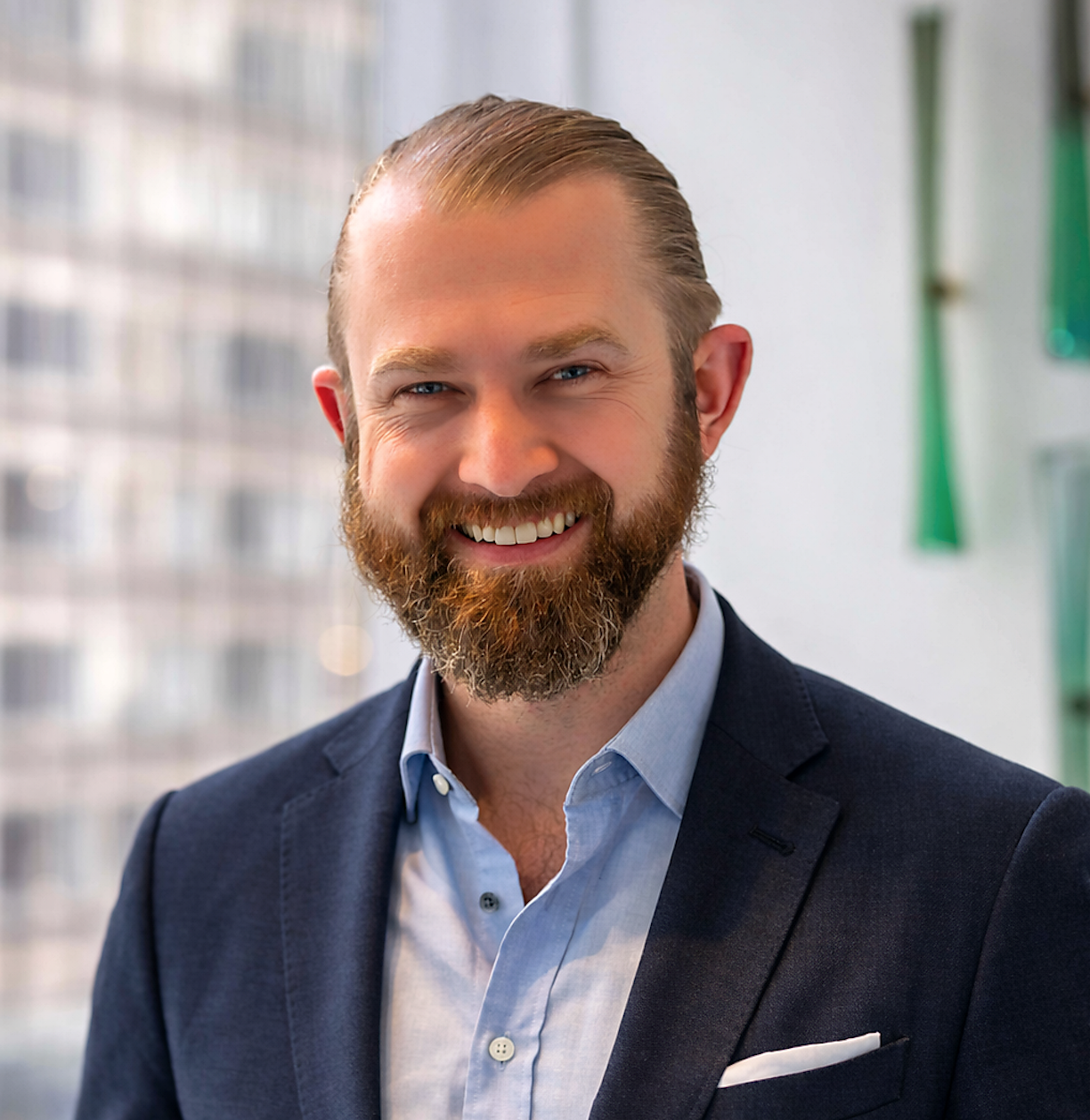
Dan Mahle is an ICF-certified executive coach and facilitator who helps founders and senior leaders lead inside AI-driven acceleration without outsourcing judgment, presence, or responsibility.

-
Burgandy Holiday holds degrees in social work and psychology and has helped multiple organizations promote social, cultural, and organizational change. She engages clients through community building and gentle activism, focusing on race, religion, and identity-based healing and reconciliation.
"Our experience working with Sagely was nothing short of transformative.”
“From the very beginning, their insights were eye-opening. With a unique ability to uncover new truths, Lesley provided a safe space for us to discuss hard business challenges candidly. She was not just a coach but a guiding force, helping us redefine what culture meant to Suora.”
— Baaqir Yusuf, Co-founder, Suora Studios
“I could see from beginning to end the impact of the work that we did together.”
“After working with Sagely, our teaching team meetings felt transformed. Ownership and responsibility felt shared. Transparency and vulnerability were at levels after one session that we rarely hit even by the end of the year. I could see from beginning to end the impact of the work that we did together.”
— Lecturer, Yale University